MetaMask Login: The Complete Guide to Access, Security, and Usage
Introduction
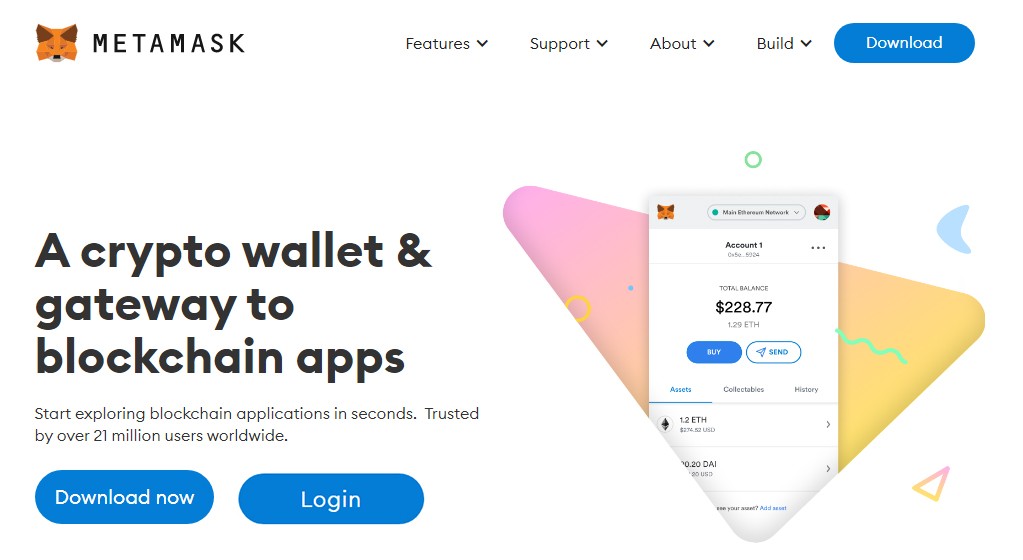
In the world of cryptocurrency and blockchain technology, MetaMask login is a fundamental concept for anyone looking to manage digital assets securely. MetaMask is a non-custodial cryptocurrency wallet and browser extension that serves as a bridge between users and decentralized applications (dApps). Unlike traditional online accounts that rely on email addresses and passwords, MetaMask login is wallet-based, meaning that users control their own private keys and access their funds without relying on centralized servers.
Logging in to MetaMask allows users to unlock their wallet, interact with decentralized platforms, and approve transactions. Understanding how this login system works, its security features, common challenges, and best practices is essential for anyone engaged in decentralized finance (DeFi), non-fungible tokens (NFTs), blockchain games, or Web3 applications.
Understanding MetaMask
MetaMask is more than just a wallet. It is a digital gateway to the decentralized web. With MetaMask, users can:
Store, send, and receive cryptocurrency assets.
Access Ethereum-based applications and other compatible blockchains.
Participate in DeFi platforms by lending, borrowing, or trading tokens.
Manage and trade NFTs.
Sign blockchain-based transactions securely.
As a non-custodial wallet, MetaMask ensures that users have full control over their private keys and assets. Unlike centralized platforms, MetaMask does not store your data or funds on a server. This makes security, responsibility, and understanding the login process paramount.
What Does “MetaMask Login” Mean?
When people refer to MetaMask login, they are not talking about logging into a traditional account. Instead, MetaMask login includes:
Unlocking the wallet on a device using a password.
Connecting the wallet to a decentralized application.
Signing messages to verify wallet ownership.
Approving transactions and operations on the blockchain.
The login process proves ownership of a blockchain wallet without exposing private keys, creating a secure method of authentication in the decentralized ecosystem.
How to Log in to MetaMask
1. Installing MetaMask
Before logging in, users need to install MetaMask:
Browser Extension: Available for Chrome, Firefox, Brave, and Edge.
Mobile Application: Available for Android and iOS devices.
Installation is straightforward, and the wallet is ready to create or import accounts immediately after setup.
2. Creating a Wallet
New users must create a wallet by setting a password and generating a Secret Recovery Phrase (usually 12 or 24 words). This phrase is the most critical security element of the wallet. It enables:
Restoring the wallet on a new device.
Recovering the wallet after a device loss.
Maintaining access to assets without relying on MetaMask servers.
The recovery phrase should always be stored securely offline.
3. Unlocking the Wallet
After installation, users can log in by entering their wallet password. This unlocks the wallet locally and allows interaction with websites, applications, and blockchain networks. The password does not exist on MetaMask servers and is specific to the device.
4. Connecting to a Website or dApp
When accessing a decentralized application, users will see a “Connect Wallet” option. Selecting MetaMask triggers a connection request that includes:
Sharing the wallet address with the site.
Verifying the correct blockchain network (Ethereum, Binance Smart Chain, Polygon, etc.).
Granting permission for interaction with the dApp.
Once approved, the wallet is connected, and the user can interact with the application securely.
5. Signature-Based Authentication
Some platforms use MetaMask for authentication by requesting a signature. Instead of a traditional password login, users sign a unique message to prove wallet ownership. This method:
Confirms identity without revealing private keys.
Does not spend cryptocurrency or gas fees.
Provides a secure and efficient login mechanism.
Key Differences Between MetaMask Login and Traditional Logins
Traditional LoginMetaMask LoginEmail and passwordWallet and private keysCentralized accountDecentralized identityPassword recovery via emailRecovery phrase onlyPlatform controls accessUser controls accessData stored on serversData stored locally
These differences highlight why MetaMask login requires users to take personal responsibility for security.
Security Features of MetaMask Login
Password Protection
The wallet password protects the wallet on a specific device and prevents unauthorized access if the device is lost or stolen.
Secret Recovery Phrase
The recovery phrase is the master key to the wallet. Anyone with access to it can control the wallet. Keeping it secure offline is essential.
Local Encryption
Private keys are encrypted and stored on the device. MetaMask does not upload them to servers, reducing the risk of centralized hacks.
Permission-Based Access
Users must approve every website connection and transaction. Nothing happens automatically, ensuring control over digital assets.
Common MetaMask Login Issues
Forgotten Password
If a password is forgotten, users must restore the wallet using the recovery phrase. Without it, access to funds is permanently lost.
Wallet Not Connecting to dApps
Connection issues may occur due to:
Incorrect blockchain network selection.
Browser extension conflicts.
Pending transactions blocking new connections.
Site compatibility problems.
Refreshing the page, switching networks, or restarting the wallet often solves these issues.
Signature Requests Not Appearing
Signature prompts may not appear due to:
Pop-up blockers in the browser.
The wallet being locked.
Pending transactions preventing new signatures.
Opening the wallet manually usually resolves the issue.
Wrong Network Selection
Many dApps require specific networks. Using the wrong network can prevent login or transactions from functioning correctly.
MetaMask Login on Mobile Devices
MetaMask mobile login offers added convenience:
Biometric authentication: Fingerprint or face scan unlocks the wallet quickly.
In-app browser: Access decentralized applications without leaving the wallet.
QR code scanning: Easily connect wallets to websites or other devices.
Security practices such as keeping recovery phrases offline and reviewing permissions remain essential.
Risks and Threats
Phishing Scams
Fake websites may ask users to connect wallets or sign messages to steal assets. Always verify the authenticity of the platform before connecting.
Malicious Signature Requests
Some signatures grant unlimited access to tokens. Users should carefully review every request before approving.
Fake Wallet Notifications
Scammers can imitate MetaMask pop-ups. Only approve interactions from the official wallet extension or app.
Loss of Recovery Phrase
Losing the recovery phrase results in permanent loss of access to funds. It should never be stored digitally or shared.
Best Practices for Safe MetaMask Login
Use a strong, unique password.
Enable biometric authentication for convenience.
Store the recovery phrase securely offline.
Verify websites before connecting the wallet.
Review permissions for every transaction or signature request.
Lock the wallet when not in use.
Keep devices updated and free from malware.
Disconnect wallets from unused websites or dApps.
MetaMask Login and the Future of Authentication
MetaMask login represents a new paradigm in digital authentication. As decentralized applications and Web3 adoption grow:
Wallet-based logins may replace traditional username/password systems.
Users gain full control over their identity and assets.
Centralized data breaches are less likely, as private information is stored locally.
Cross-platform access becomes seamless, with the wallet serving as a universal identity.
Understanding MetaMask login prepares users for the evolving landscape of decentralized identity and finance.
Conclusion
MetaMask login is a secure, decentralized method of accessing blockchain wallets and decentralized applications. Unlike traditional logins, it relies on private keys and cryptographic signatures rather than email addresses and passwords. While this gives users greater control and security, it also places full responsibility for protection on the individual.
By understanding the MetaMask login process, following security best practices, and remaining vigilant against scams, users can safely manage their digital assets and interact with the decentralized web. MetaMask login is not just a way to access a wallet—it is a cornerstone of self-sovereign identity in the Web3 era.