MetaMask Login: A Comprehensive Guide to Access, Security, and Best Practices
Introduction
With the rapid growth of blockchain technology, decentralized finance (DeFi), and Web3 applications, MetaMask login has become a crucial part of managing digital assets securely. Unlike traditional login systems that rely on email addresses and passwords, MetaMask uses a wallet-based authentication system, giving users full control over their private keys and digital assets.
Logging in to MetaMask allows users to access cryptocurrency wallets, connect to decentralized applications (dApps), sign transactions, and securely manage funds. Understanding how MetaMask login works, its security mechanisms, common challenges, and best practices is essential for anyone participating in the decentralized ecosystem.
What is MetaMask?
MetaMask is a non-custodial cryptocurrency wallet that functions as a bridge between users and the blockchain. It allows users to:
Store, send, and receive digital assets like Ethereum, tokens, and NFTs.
Connect with decentralized applications across multiple blockchain networks.
Participate in DeFi protocols such as lending, borrowing, and staking.
Sign cryptographic transactions securely without revealing private keys.
Because it is non-custodial, MetaMask does not hold users’ funds or passwords. Ownership and security depend entirely on the user, making understanding the login process critical.
Understanding MetaMask Login
MetaMask login differs significantly from traditional account-based logins. There is no email or centralized account system. Instead, logging in involves:
Unlocking the wallet locally with a password.
Connecting the wallet to a decentralized application.
Signing messages to prove wallet ownership.
Approving transactions and operations securely.
This system ensures that authentication is decentralized, private, and secure, aligning with the principles of blockchain technology.
How to Log in to MetaMask
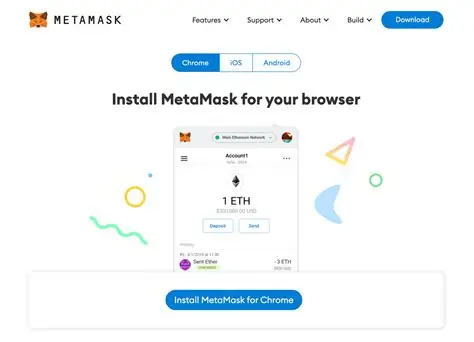
1. Installing MetaMask
Before logging in, users must install MetaMask. Options include:
Browser Extension: Available for Chrome, Firefox, Brave, and Edge.
Mobile App: Available for iOS and Android devices.
Installation is straightforward and allows users to create a wallet or import an existing one immediately.
2. Creating a Wallet
Upon first use, MetaMask prompts users to create a wallet:
Set a secure password for local access.
Generate a Secret Recovery Phrase (12 or 24 words).
The recovery phrase is the most important security element. It enables:
Restoring the wallet on a new device.
Recovering access if the password is forgotten.
Maintaining control over funds without relying on a centralized authority.
The recovery phrase must be stored offline and never shared with anyone.
3. Unlocking the Wallet
After installation, the wallet can be unlocked on a device using the password. Unlocking is local, and the password does not exist on any server. This step grants access to the wallet interface and allows the user to interact with blockchain networks and dApps.
4. Connecting to Decentralized Applications
When visiting a dApp, users select “Connect Wallet” and choose MetaMask. A connection request is generated, which includes:
Sharing the wallet address with the dApp.
Verifying the correct blockchain network.
Approving permissions for interaction.
After approval, the wallet is connected, and users can perform actions such as trading tokens, signing transactions, or interacting with smart contracts.
5. Signature-Based Authentication
Some decentralized platforms use a signature-based login. Instead of a password, users sign a cryptographic message to prove ownership of the wallet. This method:
Confirms identity without exposing private keys.
Does not cost gas fees.
Provides secure and seamless authentication.
Security Features of MetaMask Login
Password Protection
The local wallet password ensures that only authorized users can unlock the wallet on a device.
Secret Recovery Phrase
The recovery phrase is the master key. Anyone with access can control the wallet. Keeping it offline and secure is crucial.
Local Encryption
Private keys are encrypted and stored locally on the device, reducing exposure to hacks or centralized breaches.
Permission Control
Users must manually approve all connections, transactions, and signatures. This prevents unauthorized actions.
Common MetaMask Login Issues
Forgotten Password
If the password is forgotten, users must restore the wallet using the recovery phrase. Without it, access is permanently lost.
Connection Problems with dApps
Issues may arise due to:
Wrong blockchain network selected.
Browser extension conflicts.
Pending transactions.
Site compatibility issues.
Refreshing the page, switching networks, or restarting the wallet usually resolves these problems.
Signature Requests Not Showing
Signature prompts may not appear because of:
Browser pop-up blockers.
Locked wallet.
Pending operations blocking new requests.
Manually opening MetaMask or restarting the session often fixes the issue.
Incorrect Network Selection
Many dApps require a specific blockchain network. Using the wrong network prevents login or transactions from working properly.
MetaMask Login on Mobile Devices
The mobile version of MetaMask offers unique features:
Biometric authentication for quick access.
In-app browser for seamless dApp interaction.
QR code scanning for connecting wallets to websites or other devices.
Security practices remain essential, including offline storage of the recovery phrase and careful approval of permissions.
Risks and Threats
Phishing Scams
Fraudulent sites may attempt to trick users into connecting their wallet or signing malicious transactions. Always verify the authenticity of the platform.
Malicious Signature Requests
Some signature prompts grant broad permissions to transfer tokens. Users should always review and understand what they are signing.
Fake Wallet Notifications
Attackers may imitate MetaMask notifications. Only interact with the official extension or app.
Loss of Recovery Phrase
Losing the recovery phrase results in permanent loss of funds. It should never be stored digitally or shared.
Best Practices for MetaMask Login
Use a strong, unique password.
Enable biometric authentication on mobile devices.
Store the recovery phrase securely offline.
Verify the authenticity of websites and dApps before connecting.
Carefully review all transaction and signature requests.
Lock the wallet when not in use.
Keep devices updated and free from malware.
Disconnect wallets from sites or dApps that are no longer in use.
Following these practices helps users maintain secure access and protect their digital assets.
MetaMask Login and the Future of Web3 Authentication
MetaMask login represents a paradigm shift in online authentication. In the decentralized world:
Wallet-based logins may replace traditional username-password systems.
Users maintain full control of their identity and assets.
Decentralized authentication reduces the risk of centralized data breaches.
Wallets can act as universal identity across multiple platforms.
Understanding MetaMask login is essential for participating in the decentralized web safely and effectively.
Conclusion
MetaMask login is not just a way to access a wallet—it is a secure, decentralized authentication system that underpins the entire Web3 ecosystem. By unlocking wallets, connecting to decentralized applications, and signing cryptographic messages, users can interact with the blockchain safely and efficiently.
Unlike traditional login systems, MetaMask login places full responsibility for security on the user. With careful attention to best practices, recovery phrase management, and transaction verification, users can enjoy the benefits of decentralized finance, NFTs, and blockchain technology securely.
MetaMask login is more than access—it is the foundation of self-sovereign identity in the digital age, empowering users to fully control their assets and interact safely with the decentralized web.